If you’ve been following along, you know I’ve been paying a lot more attention to my digestion lately.
Since August I’ve been in a calorie deficit, I’ve added more cardio and my whole body has gotten really lean, but my belly is more distended than ever. Being this bloated is a sign that something is off and I am concerned, but to be perfectly honest.. I’m embarrassed.
I work really hard to have a physique I love. I want to feel proud. I have been wearing more baggy shirts to cover up, and that’s not me. Not to mention, this is what I do. I am a nutritional therapy practitioner. I should have this stuff figured out, right? But the fact of the matter is that I am still human, and this can happen to any of us.
So I want to share with you what I am doing to figure out why this is happening and then of course alleviate the symptom of bloating.
I’ve been focusing on some of the basics that actually help support digestion in the first place. I’m not interested in doing is cutting out more and more foods every time something feels wrong. An elimination diet doesn’t solve the problem long term.
While I do intend to do some functional gut testing to determine if there are pathogens or dysbiosis, I am doing some basic things to support my system and want to share those with you here.
1. Eating more variety, not less
A lot of gut conversations immediately turn into restriction. Cut gluten.. Cut dairy.. Cut grains.. Cut vegetables.. Cut everything.
Sometimes specific foods absolutely can be a problem, but I don’t think elimination should always be the first move.
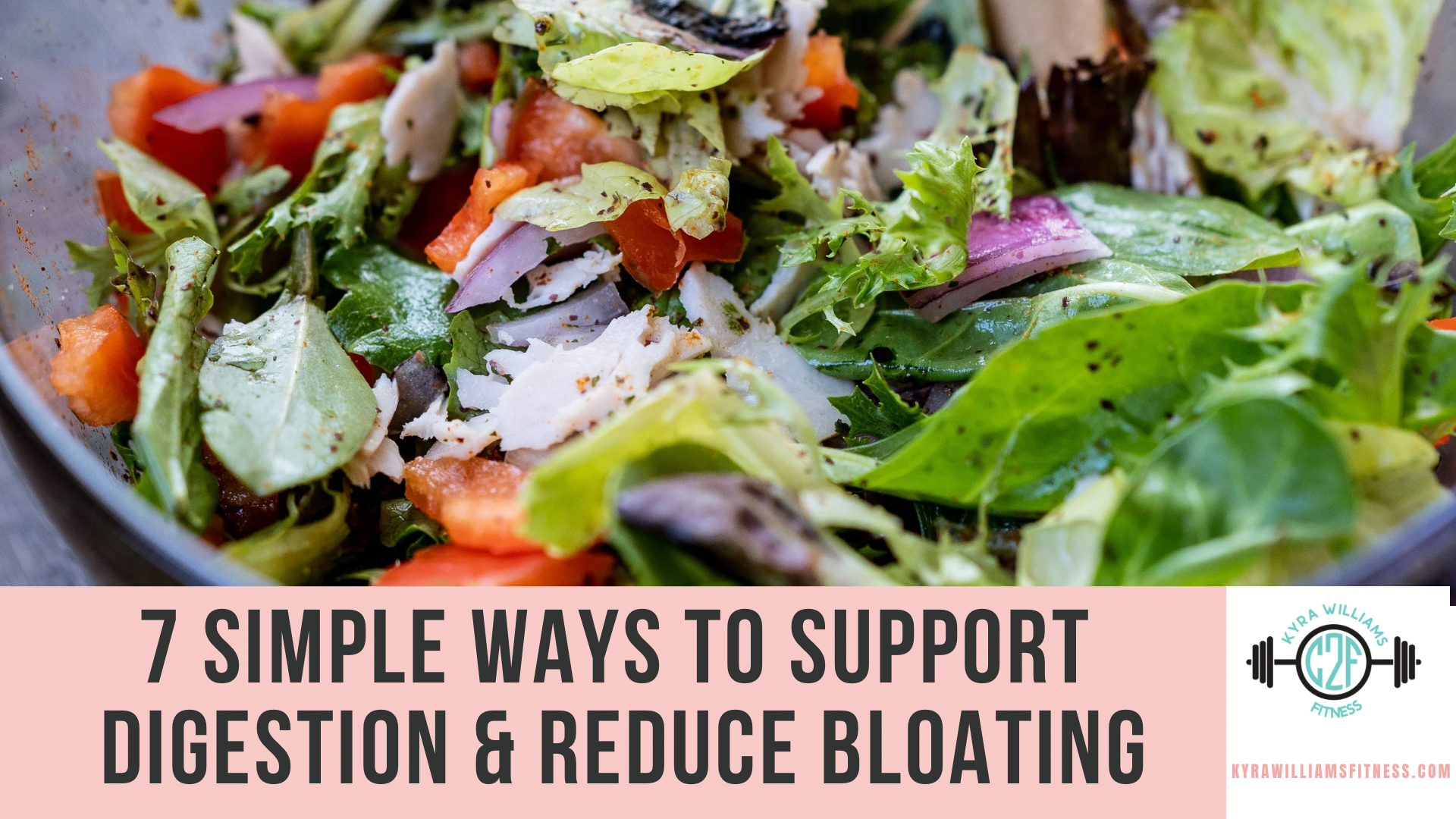
I’m focusing more on food variety, especially different fruits, vegetables, whole grains, herbs and other plant foods that provide different types of fiber and prebiotics.
More variety can help support a more diverse gut microbiome, which plays a role in digestion, bowel regularity and overall gut health.
2. Supporting my nervous system before meals
Digestion is not just about what you eat. Your nervous system matters too.
If you’re constantly eating while rushing, working, driving or feeling stressed, your body may not be in the best state to digest food efficiently.
So I’ve been trying to slow down before meals, sit down, breathe and actually chew my food instead of inhaling it.
Very glamorous, I know, but sometimes the boring basics matter.
3. Eating balanced meals
I still want my meals to include protein, carbohydrates, fats and fiber.
Balanced meals can help support steadier blood sugar, energy and satiety, but they also give the body the nutrients it needs to actually run the digestive process.
I’m not interested in “gut healing” meals that leave me starving an hour later.
4. Supporting my GI lining
I’ve also been incorporating foods and supplements that may help nourish and soothe the gastrointestinal lining.
For me, that currently includes things like:
L-glutamine
Inner leaf aloe
Bone broth
Slippery elm
Licorice root
Marshmallow root
I’ll often cook grains or other foods in bone broth, and I’ve been using slippery elm, licorice and marshmallow root in tea.
The goal here isn’t to magically “heal the gut” with one supplement. It’s just another layer of support.
5. Using digestive enzymes with meals
I’m also using digestive enzymes with meals to help support the breakdown of protein, fats and carbohydrates.
We can eat the most nutrient-dense diet in the world, but we still have to digest and absorb those nutrients.
Supporting that process can be especially helpful if meals tend to leave you feeling heavy, overly full or bloated.
6. Prioritizing hydration and minerals
Hydration is one of those things everyone knows matters, but digestion gives you another reason to care about it.
Adequate fluid supports stool consistency and regularity, and minerals like sodium, potassium, magnesium and zinc are involved in many of the processes that keep digestion functioning.
I’m paying attention not just to how much water I drink, but also to mineral intake.
7. Giving my digestive system some downtime
I’m also trying not to graze all day.
Leaving some space between meals gives the digestive system time to do its job, and I like having a longer overnight break from food as well.
That doesn’t mean forcing myself to fast when I’m hungry.
It just means I don’t need to be eating from the moment I wake up until the moment I go to bed.
The big picture
None of these things are particularly extreme.
I’m not trying to find one magical food, supplement or culprit behind every digestive symptom. I’m focusing on creating better conditions for digestion overall.
These are some of the exact things I’ve been putting into practice while working through my own bloating and unpredictable digestion, and it’s what inspired the Digestion Reset Protocol I’m launching next week.
It’s not an elimination diet. It’s not another list of foods you’re suddenly not allowed to eat.
Instead, it’s about supporting the systems that help you actually digest your food better in the first place. More details are coming very soon.
Your Coach,
Kyra